Affordable Surf Camp Guide: Budget Planning Strategy
How to plan surfing camps on a budget. The expansion of coastal sports tourism has made multi-week surf travel highly accessible. Yet, mapping out a cost-effective journey into the ocean requires balancing physical safety, local weather patterns, and shifting financial inputs. When independent travelers overlook these interconnected variables, their trips frequently incur major hidden costs. These expenses often include unexpected transit fees, premium equipment rental premiums, and high seasonal lodging surcharges that can derail a modest budget.
Unmanaged financial planning usually forces travelers to cut their trips short or settle for sub-optimal, high-density surf schools. These crowded setups often compromise the safety and technical progress of a novice surfer. Conversely, an analytical approach to cost optimization allows individuals to secure high-quality waves without spending excessively. Success depends entirely on understanding how remote destinations, local transportation networks, and seasonal weather patterns affect your overall spending.
This guide provides a comprehensive framework for travelers seeking deep ocean literacy without unnecessary financial strain. It looks past superficial marketing packages to focus on the core costs of independent surf travel. By evaluating regional infrastructure and hidden logistical expenses, travelers can build a sustainable, budget-conscious travel plan.
Understanding “how to plan surfing camps on a budget”
Executing a cost-effective surf trip requires a total rejection of pre-packaged resort bundles. It demands a clear understanding of the difference between an asset’s face value and its true operational cost. Many travelers view budget planning simply as finding the cheapest shared hostel dorm near a beach. This narrow focus ignores how daily transport costs, food prices, and gear rentals impact your total spending. A realistic plan must treat surf travel as a series of connected financial trade-offs.
The Friction of Distant Accommodations
A common mistake when learning how to plan surfing camps on a budget is choosing cheap lodging far from the coast. While inland rooms offer low nightly rates, they introduce a daily transportation hurdle.
Without a dedicated vehicle, travelers must rely on local taxis, beach shuttles, or daily motorbike rentals. Over a multi-week stay, these daily transit fees quickly wipe out any savings from the cheaper room.
Equipment Procurement vs. Rental Realities
Rental fees for surfboards and wetsuits represent another major variable expense. Choosing to rent gear on a daily basis from beachfront kiosks often results in high cumulative costs.
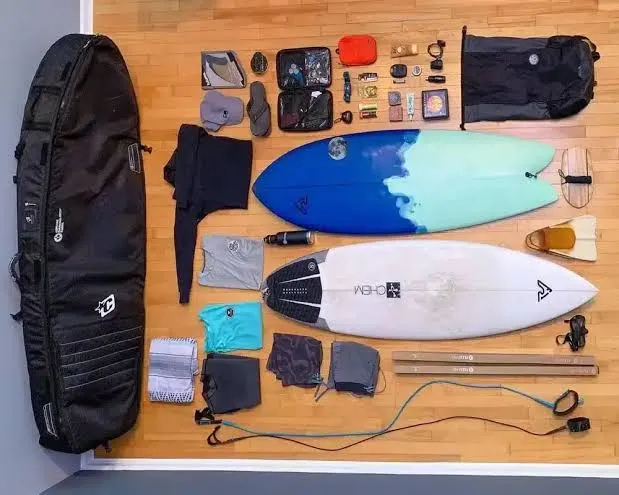
A truly cost-effective plan evaluates whether it is cheaper to pay airline baggage fees for your own gear or buy a used board locally. This calculation must account for the duration of your stay and your specific equipment needs.
Navigating the True Value of All-Inclusive Rates
All-inclusive packages often promise convenience but mask high profit margins behind a single upfront price. These bundles typically include luxury meals, daily yoga classes, and organized group excursions that budget-conscious travelers rarely need.
Learning how to plan surfing camps on a budget means breaking down these bundles into individual line items. This allows you to pay only for essential elements like safe lodging and core in-water guiding.
Deep Contextual Background
The modern surf travel industry grew out of the exploratory journeys of the 1960s and 1970s. During this era, dedicated wave riders traveled along undeveloped coastlines across Western Europe, North Africa, and Central America. These early travelers relied on basic camping setups, local public transport, and shared resources, keeping costs low out of pure necessity.
As these remote coastal regions grew more popular, local economies shifted to accommodate the steady influx of visitors. Casual beach camps gradually evolved into formalized surf schools and commercial resorts. This commercialization made the sport highly accessible but systematically drove up the baseline cost of coastal travel.
The Rise of High-Margin Packaging
By the early 2010s, the surf tourism market was dominated by all-inclusive packages. Operators realized they could generate premium returns by combining basic lodging with surf guiding, group meals, and wellness activities.
While this model offered a highly convenient vacation for affluent travelers, it priced out budget-conscious surf tourists. This shift forced independent travelers to find decentralized ways to organize their trips.
The Impact of Modern Digital Infrastructure
The growth of global digital booking platforms and real-time mapping tools has fundamentally changed the travel landscape. Today’s travelers no longer need to rely on expensive tour agencies to find off-the-beaten-path destinations.
Modern digital tools allow individuals to coordinate directly with local guesthouses, track seasonal flight deals, and analyze weather patterns independently. This access to reliable information makes it much easier to organize a safe, affordable surf trip without sacrificing safety.
Conceptual Frameworks and Mental Models
Using structured mental models helps travelers evaluate financial trade-offs objectively. These frameworks prevent emotional bias from clouding your financial and operational planning.
The Geographic Proximity and Transit Matrix
This matrix highlights the financial relationship between accommodation costs and daily beach transit expenses. It maps room pricing against your physical distance from the main surf break:
-
Accelerated Efficiency Zone: Staying right on the beach eliminates daily commuting costs and allows you to check wave conditions visually.
-
Balanced Operational Base Zone: Affordable coastal pockets feature shared kitchens and easy walking access to multiple surf breaks.
-
Financial Leakage Zone: Cheap inland hostels force you to pay high daily taxi fares and complicate surfboard transport.
-
Stagnant Supply Hub Zone: Isolated rural camps offer low room rates but carry high prices for food, water, and basic supplies.
The Equipment Lifespan Equation
This equation helps travelers decide whether to rent gear locally or travel with their own equipment. It compares total rental costs against airline fees and board depreciation:
When your planned trip duration causes the total rental cost to exceed the independent option, buying or bringing a board becomes the smarter financial choice. This calculation helps optimize your equipment budget for long-term stays.
The Curricular Autonomy Continuum
This continuum classifies surf programs by their balance of organized coaching and self-directed practice. It helps travelers avoid paying for unneeded instruction.
-
Highly Structured/Premium: Features continuous, one-on-one coaching, daily video analysis, and mandatory group schedules. This model offers fast progress but carries a very high price tag.
-
Autonomous/Budget-Conscious: Relies on independent wave analysis, peer feedback networks, and targeted coaching sessions only when hitting a performance plateau. This approach maximizes affordable water time.
Structural Variations of Budget Surf Operations
The budget surf travel market includes several distinct operational setups. Each style features unique trade-offs regarding safety, comfort, and community integration that travelers must weigh carefully.
Communal Surf Hostels
Hostels represent the most common choice for solo budget travelers. They offer low nightly rates for shared dorm beds alongside communal kitchens and lively social spaces.
-
Trade-offs: They provide an affordable entry point and an instant network of travel partners. However, high noise levels can disrupt your sleep and slow your physical recovery between demanding surf sessions.
Family-Run Guesthouses
Staying with a local family provides a quiet alternative to chaotic backpacker hostels. These properties usually offer private rooms, home-cooked regional meals, and deep insights into local surf conditions.
-
Trade-offs: They feature a quiet environment that is perfect for physical rest, along with excellent cultural immersion. However, they lack the bustling social scene and organized nightlife of large hostels.
Off-Grid Surf Camps
Located in remote regions like rural Indonesia or parts of South America, these camps focus on direct wave access. They provide basic canvas tents or rustic wooden huts built right next to uncrowded breaks.
-
Trade-offs: They give you instant access to empty lineups, eliminating daily travel costs. However, travelers must accept basic amenities, erratic internet access, and high prices for imported supplies.
Dedicated Campervan Conversions
Renting a small campervan combines your transportation and lodging costs into a single mobile asset. This setup allows you to follow changing weather models and camp directly at diverse surf spots.
-
Trade-offs: You enjoy absolute geographic freedom and can wake up right at the water’s edge. However, you must navigate complex local parking laws, high fuel costs, and tight living spaces.
Structural Comparison Matrix
| Operational Style | Primary Substrate | Student-Coach Ratio | Daily Video Review | Primary Operational Risk |
| Communal Hostel | Sandy Beach Breaks | 1:8 to 1:10 | Not Available | Sleep deprivation from noise |
| Family Guesthouse | Sheltered Reefs | 1:1 (Private Guide) | Upon Request Only | Limited social networking |
| Off-Grid Camp | Remote Point Breaks | Self-Directed | Digital Upload Only | Long delays for medical care |
| Campervan Rental | Diverse Coastlines | Fully Autonomous | Self-Recorded | Complex local overnight laws |
Selection Logic Blueprint
Choosing the right budget setup requires an honest assessment of your personal priorities and boundaries. A solo traveler focused on meeting new people will naturally thrive in a communal beach hostel.
In contrast, someone who prioritizes physical recovery and quiet nights should choose a family-run guesthouse. Understanding these personal needs prevents you from booking a cheap option that makes you uncomfortable.
Real-World Operational Scenarios and Budget Realities
Analyzing specific traveler profiles illustrates how different budget strategies play out in practice. These scenarios highlight the hidden costs and second-order effects of various planning choices.
Case 1: The Solo Academic
-
Context: A 21-year-old university student has saved $1,500 for a month-long surf trip during their summer break. They need to maximize their time in the water while keeping daily living costs to an absolute minimum.
-
Constraints: Strict budget cap, no personal vehicle, and a clear need for affordable food options.
-
The Incompatible Choice: Booking a series of short, promotional resort stays that include expensive group dinners and hidden transport surcharges.
-
The Optimal Choice: Renting a long-term dorm bed at a beachfront hostel that features a communal kitchen and free surfboard storage.
-
Second-Order Effects: Preparing their own meals and walking to the surf break keeps daily expenses low. This thrift allows them to extend their trip by an extra week.
Case 2: The Working Digital Nomad
-
Context: A 34-year-old remote graphic designer wants to surf every morning while working online during the afternoons and evenings. They require stable internet and a quiet workspace.
-
Constraints: Moderate budget, high connectivity requirements, and a preference for a comfortable room.
-
The Incompatible Choice: An isolated, off-grid surf camp that relies on erratic solar power and basic satellite internet.
-
The Optimal Choice: A private room in a family guesthouse located within a well-connected coastal town that features a co-working space.
-
Second-Order Effects: Reliable internet access prevents work disruptions, allowing the designer to maintain a steady income stream throughout the trip.
Case 3: The Multi-Member Group
-
Context: Four recreational surfers want to organize an affordable two-week trip together along a diverse coastline. They need an efficient way to manage shared costs.
-
Constraints: Shared budget pooling, varied skill levels, and a large volume of sports equipment to transport.
-
The Incompatible Choice: Booking individual hostel beds and paying separate daily rental fees at different beach kiosks.
-
The Optimal Choice: Renting a shared coastal apartment and splitting the cost of a long-term rental vehicle equipped with a roof rack.
-
Second-Order Effects: Splitting vehicle and housing costs drives down their individual expenses, making it affordable to hire a local guide for exploring remote breaks.
Financial Architecture and Full Fiscal Modeling
Building an accurate budget means looking past base accommodation rates to map out all secondary expenses. This financial clarity keeps you from running out of funds halfway through a trip.
The Impact of Airline Baggage Policies
Transporting surfboards on commercial airlines involves a complex web of sporting equipment fees. Some airlines include surfboard bags in your standard checked luggage allowance, while others charge high fees per flight segment.
When analyzing how to plan surfing camps on a budget, travelers must calculate these baggage fees across their entire route. For short trips, renting gear locally is often cheaper than paying multiple airline luggage surcharges.
Calculating Local Consumables and Maintenance Costs
Independent surf travel requires a steady supply of small but essential consumables. These include high-zinc sunscreens, tropical board waxes, leash strings, and instant ding-repair resin.
Buying these items at high-end surf shops in tourist hubs carries a steep premium. Purchasing your supplies in advance at larger distribution centers helps protect your daily budget.
Real-World Cost Architecture Matrix
| Expense Category | Communal Hostel | Family Guesthouse | Campervan Mobile | Key Focus of Hidden Fees |
| Weekly Base Rate | $120 – $250 | $280 – $450 | $400 – $700 | Seasonal high-season price shifts |
| Daily Food Costs | $15 – $25 (Self-cooked) | $20 – $35 (Meals included) | $15 – $30 (Camp stove) | High prices at isolated beach cafes |
| Gear Procurement | $10 – $20 (Daily rental) | $15 – $25 (Shop rental) | Included with van hire | High deductions for minor board dings |
| Transit Expenses | $5 – $10 (Public transit) | Included via local guide | $40 – $80 (Fuel and tolls) | Unexpected highway and bridge tolls |
| Emergency Buffer | $100 (Cash reserve) | $150 (Card on file) | $300 (Vehicle deposit) | Out-of-network medical treatment fees |
The Hidden Cost of Cheap Gear Rentals
Choosing the absolute cheapest surfboard rental kiosk often introduces hidden long-term costs. Low-cost rentals frequently feature waterlogged boards, worn-out leashes, and loose fins that make paddling difficult.
Using degraded equipment slows down your progress and increases the risk of gear breaking in the surf zone. Spending a little more on well-maintained gear prevents unexpected replacement fees and keeps you safe.
Tactical Strategies and Technical Support Systems
Smart travelers use specific tactics and digital tools to reduce expenses without compromising their safety or overall experience. These methods streamline your logistics and protect your budget.
Leveraging Real-Time Forecasting Tools
Advanced ocean forecasting platforms provide real-time data on wave sizes, wind directions, and tidal movements. Checking these models helps budget travelers avoid booking trips during prolonged flat spells.
By tracking historical swell data, you can plan your trip during the shoulder season. This timing delivers excellent waves alongside lower lodging prices and uncrowded lineups.
Direct Local Sourcing Strategies
Online booking agencies often charge high commission fees that drive up the cost of accommodations. Savvy travelers use these platforms for research, then contact guesthouses directly to negotiate better rates.
Dealing directly with local owners frequently unlocks long-term discounts, especially for stays extending past two weeks. This approach keeps more of your money in the local community.
Peer-to-Peer Gear Networks
In major coastal hubs, online marketplaces and local community groups are excellent resources for finding affordable used surfboards. Buying a used board when you arrive and selling it before you leave is often much cheaper than long-term rentals.
This strategy requires a clear understanding of board dimensions and resale values. However, it can significantly lower your long-term equipment expenses.
Risk Matrix and Compounding Operational Hazards
Independent travel involves inherent physical and financial risks that can multiply if managed poorly. A good plan must include clear safety margins to handle unexpected situations out in the elements.
Ocean Currents and Safety Infrastructure
Budget-conscious travelers often seek out isolated beaches to avoid crowded lineups. However, remote breaks rarely have lifeguards or emergency medical services nearby.
Navigating strong rip currents or handling unexpected injuries without proper safety support can quickly create a life-threatening situation. Saving money should never come at the expense of reliable safety infrastructure.
Emergency Medical Travel Coverage
A basic health insurance policy rarely covers specialized actions like open-ocean rescues or sports-related trauma. If a traveler suffers a severe coral cut or a board collision, medical evacuation costs can be overwhelming.
Securing a dedicated travel insurance policy that explicitly includes extreme sports coverage is a non-negotiable expense. This protection guards your finances against catastrophic medical bills.
Equipment Failures in Remote Areas
Using old or worn-out gear in large surf can lead to sudden equipment failure. A snapped leash or a broken fin can leave a surfer stranded far outside the break zone.
Inspecting your equipment before every session and replacing worn parts early prevents dangerous situations. Investing in high-quality safety gear is essential for protecting your health and peace of mind.
Long-Term Governance and Trip Adaptation Cycles
A flexible itinerary that adapts to changing weather conditions is key to a successful surf trip. Rigid schedules often result in wasted time and unnecessary expenses when the ocean does not cooperate.
Monitoring Changing Weather Systems
Coastal weather systems are naturally dynamic and unpredictable. A beach that offers perfect beginner waves on Monday can turn dangerously rough by Wednesday due to distant storms.
Budget travelers must monitor local wind and tide reports every day. This awareness allows you to adjust your schedule and head to sheltered bays when the main breaks are out of your comfort zone.
Managing Physical Recovery and Energy
Extensive hours spent paddling in the ocean places intense physical demands on your body. Fatigue diminishes your reaction times, compromises your technique, and significantly elevates your risk of injury.
Smart planning builds routine rest days and low-intensity activities into your multi-week schedule. This focus on recovery keeps your energy levels high and helps you get the most out of every session.
Step-by-Step Budget Planning Checklist
-
Verify Airline Baggage Rules: Confirm the exact fee structure and weight limits for sporting goods across all flights.
-
Audit Local Medical Access: Map out the exact transit times from your planned surf breaks to the nearest trauma hospital.
-
Secure Specialized Insurance: Ensure your travel policy explicitly covers offshore surfing and emergency helicopter medical evacuation.
-
Check Historical Swell Patterns: Analyze multi-year buoy data to avoid booking during historically flat seasonal weeks.
-
Verify Board Dimensions: Confirm your planned rental fleet offers high-volume soft decks that match your current fitness level.
-
Establish a Cash Buffer: Maintain a dedicated emergency cash reserve to handle unexpected local transit or repair costs.
Metric Systems and Technical Progress Tracking
Tracking your technical progress helps ensure your trip delivers real value. Without clear milestones, a surf trip can easily turn into a casual vacation without any meaningful development.
Quantitative Metrics
To measure your progress objectively, keep track of specific numbers across your training log:
-
Wave Entry Efficiency: The ratio of waves paddled for against waves successfully caught and ridden.
-
Pop-Up Response Speed: The time it takes to move from a flat paddling position to a stable standing stance.
-
Session Duration Patterns: Your total active minutes in the water before muscle fatigue compromises your technique.
Qualitative Milestones
Qualitative tracking focuses on reading the ocean and improving the style and mechanics of your riding:
-
Lineup Positioning: Your ability to identify the main takeoff zone independently without relying on a coach.
-
Stance Compression: Shifting from bending forward at the waist to bending your knees cleanly to maintain balance.
-
Safety Awareness: Fluidly executing proper board disposal and respecting traditional right-of-way rules in busy lineups.
Deconstruction of Common Budget Surf Travel Myths
The surf travel market is full of persistent myths that can lead budget planners astray. Debunking these common misconceptions helps you save money and avoid frustrating travel mistakes.
Myth 1: The Cheapest Accommodations Always Deliver the Lowest Total Cost
Many travelers assume that booking the cheapest available room automatically results in a low-cost trip. In reality, isolated, ultra-cheap lodging often lacks a kitchen, forcing you to eat out for every meal.
Furthermore, the money spent on daily taxis to reach the beach can easily exceed the cost of a slightly more expensive beachfront room. A true budget plan looks at the total cost of lodging, food, and transit combined.
Myth 2: Hiring a Local Surf Guide is an Unnecessary Luxury
Independent surfers often skip hiring a local guide to save money. However, navigating a new coastline without local knowledge frequently results in missed swells, driving to flat beaches, or damaging gear on hidden reefs.
Hiring a local guide for your first few days is a smart investment. Their insights help you find the best conditions quickly, saving you time and preventing costly gear damage.
Myth 3: Buying Cheap, Damaged Equipment Saves Money Long-Term
When looking to cut costs, travelers often buy heavily dinged, waterlogged surfboards from beach vendors. These degraded boards are heavy, paddle poorly, and tend to delaminate quickly in warm tropical water.
Investing in a solid, clean used board with good resale value is a much safer financial move. You can enjoy reliable performance during your trip and recover most of your investment when you sell it before heading home.
Myth 4: Traveling During Peak Swell Seasons Always Guarantees the Best Value
Many beginners plan their trips for peak winter swell seasons, expecting the best possible waves. However, peak seasons bring massive waves that are often too dangerous for intermediate or novice surfers.
These high-demand months also feature the highest prices for lodging and flights. Traveling during the shoulder season delivers manageable wave sizes, lower prices, and uncrowded lineups that are perfect for learning.
Myth 5: Big-Name Surf Destinations Offer the Best Budget Frameworks
Famous surf towns often feature a wide selection of hostels, but they also carry high living costs and crowded lineups. These crowds make it difficult for beginners to catch enough waves to improve their skills.
Exploring lesser-known coastal villages often reveals cheaper rooms, welcoming local cultures, and quiet breaks. Choosing alternative destinations allows your travel budget to stretch much further.
Myth 6: Anyone with a Surfboard Can Effectively Teach Ocean Safety
Many travelers look to save money by taking informal, uncertified lessons from casual beach vendors. While these informal sessions are cheap, they often lack proper safety instruction and structured coaching techniques.
Uncertified teachers may miss warning signs like changing currents or incoming storms, putting your safety at risk. Paying for certified instruction ensures you learn correct mechanics and critical ocean safety skills.
Myth 7: You Must Own Multiple Specialized Boards to Travel Successfully
The surf media often implies that you need a huge collection of specialized boards to handle different wave types. This belief leads travelers to pay massive airline baggage fees to transport multiple board bags.
For most intermediate and budget surfers, a single, versatile mid-length board or high-volume funboard is all you need. A versatile board handles a wide range of conditions well, saving you money on baggage fees and gear maintenance.
Comprehensive Synthesis and Strategic Judgment
Successfully organizing a surf trip on a tight budget requires looking past flashy marketing to focus on practical logistics. Travelers must carefully analyze the real-world trade-offs between housing costs, daily transit, and equipment expenses. Prioritizing clear safety margins, reliable gear, and flexible itineraries prevents unexpected fees and ensures steady progress in the water.