Cost-Effective Surf Travel: How to Reduce Surfing Camps Equipment Fees
How to reduce surfing camps equipment fees. The commercialization of global surf tourism has fundamentally altered the cost architecture of coastal sports vacations. Structured multi-day academies often present attractive base rates for lodging and instructional guiding. However, the true fiscal burden is frequently obscured by secondary line items that surface during checkout. Among these auxiliary expenses, surfboard rentals, wetsuit allocations, and functional hardware surcharges represent a major percentage of overall trip spending.
When these logistics are left unmanaged, travelers routinely face inflated operational surcharges that compromise their travel budgets. These rental premiums are often justified by operators as insurance against harsh marine elements and mechanical wear. Yet, many commercial operations rely on equipment markups as a primary source of profit maximization. Navigating this landscape requires a meticulous approach that balances gear performance against structural cost controls.
Achieving substantial budget optimization requires moving from passive booking to strategic equipment sourcing. Surcharges must be analyzed through the lens of supply chain logistics, depreciation tracking, and cross-border transport options. By evaluating local rental markets, baseline manufacturing costs, and institutional damage waivers, an asset manager or individual traveler can establish a cost-effective operational plan. This comprehensive reference work establishes an objective framework for minimizing structural expenditure during intensive coastal training weeks.
Understanding “how to reduce surfing camps equipment fees”
Minimizing equipment overhead during an intensive wave holiday requires looking past superficial package marketing. True fiscal optimization demands a systematic understanding of how camp procurement models, inventory depreciation, and international freight rules interact. Most recreational travelers mistakenly view equipment rentals as a fixed, non-negotiable cost element of their itinerary. This oversimplification completely ignores how localized competition, independent retail networks, and multi-week volume adjustments modify pricing.
The Leverage of Decoupled Booking Structures
An authentic strategy for how to manage and how to reduce surfing camps equipment fees begins by demanding itemized quotes during the initial inquiry phase. Many premium resorts bundle coaching, accommodation, and surfboard access into a single premium tier.
This bundling mechanism makes it incredibly difficult to isolate the true daily cost of the physical hardware. Travelers must negotiate for an unbundled pricing structure, allowing them to strip out equipment provisions if alternative local sourcing proves more affordable.
Evaluating Off-Site Sourcing Alternatives
Another overlooked aspect is the density of independent surf retail outlets surrounding major coastal training hubs. Resorts often charge a massive convenience premium because their inventory sits directly on the beach.
Walking fewer than two blocks away from the main resort plaza frequently reveals local surf shops offering identical soft-top fleets at fractions of the resort price. Utilizing these off-site providers provides immediate cost relief without sacrificing standard gear specifications.
The Nuance of Multi-Week Depreciation Incentives
Commercial operations naturally look to recoup their initial fleet investments within the first few weeks of a peak tourist season. Consequently, their daily rental rates are set aggressively high to offset any potential off-season inactivity.
When a traveler plans an extended stay, they must request a sliding scale depreciation discount. Securing a locked long-term asset rate prevents the daily accumulation of micro-fees from turning into a massive final invoice.
Deep Contextual Background
The economic landscape of organized surf schools has transitioned from an informal economy into a highly optimized retail sector. In the early eras of global coastal tourism, board usage was routinely provided as a complimentary amenity to attract travelers to remote lodges. These primitive fiberglass fleets were mostly constructed from abandoned customer boards and local repairs.

The introduction of specialized soft-skinned foam training decks in the late 1990s altered these operational economics. These high-volume boards lowered student injury rates, allowing operators to expand their target audience to mainstream demographics. However, these soft-tops also required substantial capital outlays from camp operators, who had to buy large fleets from international distributors.
The Transition to Dedicated Profit Hubs
By the mid-2010s, global hospitality consultants recognized that equipment rentals could serve as high-margin profit centers. Operators began separating instructional tuition from physical asset usage to make their base packages look cheaper on aggregate search engines. This pricing strategy shifted the financial burden to secondary transactions executed on-site, catching unprepared travelers off guard.
The Role of Global Supply Chain Pressures
Modern equipment pricing is heavily influenced by international logistics, manufacturing location clusters, and import tariffs. A high-performance neoprene wetsuit or an epoxy surf hull often incurs steep cross-border shipping surcharges before it reaches a remote island camp. Understanding these background logistics helps travelers predict whether a specific surf destination will charge inflated on-site gear fees.
Conceptual Frameworks and Mental Models
Using objective mental models allows travelers to evaluate asset allocation and logistics expenses clearly. These frameworks eliminate emotional impulse buying, allowing for rational financial choices.
The Asset Lifespan and Transport Cost Matrix
This matrix balances the total cost of personal equipment transport against the baseline rental rates charged by on-site operations. It defines four distinct procurement approaches based on your travel style:
-
Bag Leverage Audit Zone: Extended itineraries matched with high on-site rental prices make bringing personal boards the most cost-effective path.
-
Baggage Liability Trap: High airline bag surcharges paired with cheap local rental options turn bringing your own gear into a financial loss.
-
Local Subcontract Center: Affordable nearby surf shops allow you to skip high resort prices and bypass airline transport logistics completely.
-
Fleet Procurement Retreat: High resort pricing paired with short travel windows requires careful pre-booking negotiations to avoid surprise fees.
The Total Cost of Gear Ownership Formula
This formulation evaluates whether checking a personal board bag beats paying on-site rental fees during a specific vacation window:
When the calculation yields a positive number, checking your personal equipment provides true long-term savings. This formula helps travelers make data-driven logistics choices before packing.
The Sourcing Control Spectrum
This spectrum ranks equipment acquisition methods by their total cost and operational convenience. It helps travelers avoid high-margin resort traps.
-
Direct Control/Low Cost: Bringing owned, verified equipment or using peer-to-peer sharing networks minimizes on-site spending.
-
Indirect Control/High Cost: Relying entirely on premium in-house resort inventory results in premium convenience surcharges.
Classifying Equipment Procurement Channels
In-House Resort Fleet Allocations
Relying on in-house resort inventory represents the most convenient but most expensive path for a traveler. These operations keep their gear steps from the shoreline, allowing for quick changes when wave shapes shift.
However, this convenience is matched with top-tier premium pricing models. This option should only be utilized when pre-arrival negotiations successfully drop the equipment line item down to a reasonable flat rate.
Independent Local Surf Storefronts
Independent storefronts operating outside the main resort gates offer excellent opportunities for budget optimization. These shops feature deep inventories of soft-tops, hybrid funboards, and standard neoprene gear.
Because they face direct competition from neighboring shops, their daily pricing remains tethered to reality. Navigating this channel requires a brief walk to inspect the inventory for dings before signing a contract.
Personal Asset Logistics and Air Travel
Transporting personal surfboards across international borders bypasses daily camp rental fees entirely but introduces complex baggage rules. Airlines employ wildly different pricing strategies for sports equipment, ranging from free inclusions to steep, single-way penalties.
Success requires choosing flight routes with surf-friendly luggage policies. Additionally, high-quality board padding is essential to protect your gear from rough airport baggage handlers.
Equipment Sourcing Economic Comparison Matrix
Comprehensive Selection Logic for Budget Protection
Choosing the right procurement channel requires a clear-eyed look at your overall itinerary length. For a brief four-day stay, paying the resort’s premium convenience fee is often cheaper than buying a heavy, specialized travel bag.
Conversely, for trips stretching past ten days, checking your own board bag becomes much more economical. Matching your gear strategy to your trip duration keeps you from overpaying for convenience.
Case Analysis and Cascading Expenditure Failures
Examining specific real-world scenarios illustrates how small oversights can combine to create massive equipment invoices. These case studies highlight the importance of proactive cost control.
Case 1: The Bundled Resort Trap
-
Context: An intermediate surfer books a seven-day premium package in western Europe, assuming all gear usage is included in the base price.
-
Progressive Failure: They fail to read the fine print, which limits complimentary rentals to two hours per day. Wanting to surf longer during optimal tides, they stay out past the time limit.
-
The Financial Collision: Upon checkout, they are hit with hourly overage fees totaling hundreds of euros in unexpected charges.
-
Second-Order Effects: The surprise bill strains their remaining travel funds, forcing them to cancel planned excursions and local dining experiences.
Case 2: The Airline Baggage Penalty Cascade
-
Context: A traveler packs two personal shortboards for a two-week stay at a remote central American point break camp.
-
Progressive Failure: They book a cheap multi-airline ticket without reviewing the sports equipment policies of the regional connecting carriers.
-
The Financial Collision: At the gate of the regional partner, they are forced to pay unexpected oversized bag fees for each individual flight leg.
-
Second-Order Effects: The total cost of transporting the boards quickly surmounts the local rental rates, rendering their packing effort a financial failure.
Case 3: The Uninsured Damage Claim
-
Context: A beginner rents a high-volume fiberglass longboard directly from an upscale Hawaiian resort operation.
-
Progressive Failure: They decline a nominal five-dollar daily damage waiver, confident they can easily avoid any ocean hazards.
-
The Financial Collision: A small wave washes the board onto a shallow reef rock, causing a minor hairline crack in the tail gel coat. The resort charges a massive replacement fee rather than a simple repair cost.
-
Second-Order Effects: The traveler faces a major credit card dispute and must cut their trip short due to an exhausted entertainment budget.
Planning, Cost, and Resource Dynamics
Navigating the hidden costs of surf travel requires a clear understanding of where resorts hide their equipment surcharges. A strategic budget must account for both upfront fees and potential on-site penalties.
The Mechanics of Mandatory Damage Waivers
Many operators require customers to purchase in-house damage waivers before releasing high-quality boards. These small daily fees are framed as optional protection but are often treated as non-negotiable requirements during check-in.
Travelers should look for camps that include basic protection plans directly in their base booking quotes. This transparency prevents small insurance markups from quietly inflating your final bill.
Hardware and Accessory Surcharges
Resorts frequently maximize their margins by charging separate rental fees for basic accessories like leashes, fins, and wetsuits. These small charges can quickly add up over a multi-day stay, turning a cheap board rental into an expensive package.
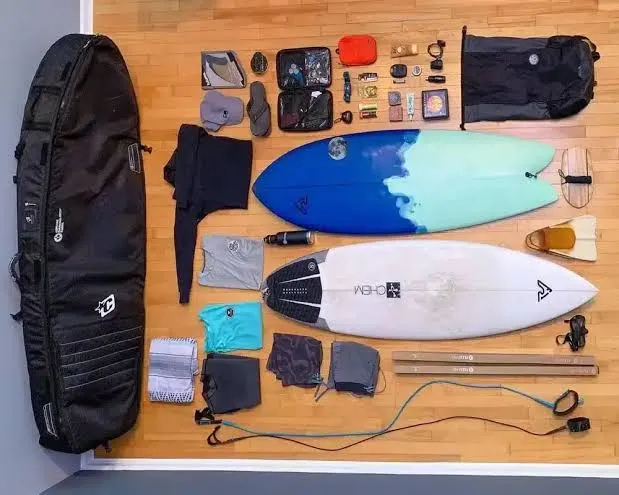
Bringing your own small accessories like leashes, fin keys, and rash guards is an easy way to protect your budget. These light items pack easily and keep you from paying high on-site convenience markups.
Real-World Procurement Cost Variance
The True Cost of Inventory Monopolies
In highly isolated destinations like remote island atolls, local surf shops simply do not exist. This lack of competition allows the main resort to establish an absolute monopoly on equipment rentals, driving prices to premium levels.
When visiting these remote areas, bringing your own gear is almost always the more economical choice. Planning ahead for these inventory monopolies is key to keeping your overall trip expenses under control.
Tools, Strategies, and Support Systems
Smart travelers use specific, practical strategies to bypass high resort markup models. These techniques help you secure competitive rates and maintain control over your travel budget.
Digital Sourcing Applications
Modern surf travel relies on digital marketplace apps to compare local rental rates before setting foot on the sand. These platforms allow independent shops to display their current inventory and pricing directly alongside premium resort rates.
Reviewing these comparisons early helps you spot high resort markups before making a commitment. This visibility gives you the leverage needed to negotiate better package rates with your main coordinator.
Pre-Paid Multi-Day Protection Bundles
If you choose to use resort equipment, always avoid paying on a volatile day-to-day basis. Instead, negotiate a comprehensive multi-day protection bundle before your arrival date.
Securing a flat, pre-paid rate for your entire stay protects you from sudden mid-week price changes. This financial stability keeps your seasonal vacation costs predictable and safe from surprise upcharges.
Credit Card Rental Protection Audits
Before purchasing a camp’s expensive in-house damage waiver, check the fine print of your premium travel credit cards. Many top-tier cards provide built-in protection for sports equipment rentals when the transaction is processed on their network.
Using this existing coverage allows you to confidently decline redundant on-site insurance plans. This simple step saves you significant money over an extended training itinerary.
Risk Landscape and Failure Modes
Optimizing your equipment budget requires balancing cost savings against actual performance and safety in the water. Cutting expenses too aggressively can introduce hidden hazards that ruin your vacation.
The Hazard of Cheap Sub-Standard Gear
A major financial risk occurs when a traveler chooses an ultra-cheap rental shop that neglects regular gear maintenance. Delaminated boards, brittle plastic fins, and frayed leash cords can fail suddenly when stressed by a large wave.
Equipment failure in a large surf zone can quickly turn a fun session into a dangerous open-water rescue situation. Saving a few dollars is never worth compromising your basic safety in changing ocean conditions.
Outsized Replacement Penalties
Some low-cost rental operations use cheap daily rates simply as a hook to get customers through the door. They then make their real profits by charging inflated replacement fees for minor scratches or normal wear and tear.
Always take clear photos of your rental board’s condition before your first paddle session. Having photographic evidence protects you from false claims and unfair damage assessments when you return the gear.
Uncalibrated Board Volume Selections
Choosing a surf board based purely on a low rental price rather than its suitability for your skill level can stall your progress. A beginner who rents a cheap, narrow shortboard will struggle to catch waves and spend most of their time off balance.
This mismatch leads to quick physical fatigue and a frustrating experience in the lineup. Paying slightly more for a properly sized, high-volume board is essential for building a safe and successful learning foundation.
Governance, Maintenance, and Long-Term Adaptation
A successful cost-control strategy requires constant monitoring and regular updates based on your changing travel needs. A static budget plan that ignores shifting airline rules will eventually fail to protect your wallet.
Continuous Airline Baggage Policy Audits
Airlines modify their sports equipment and oversized luggage rules frequently to adapt to changing fuel costs and cargo space limits. A carrier that allowed free surfboards last season may introduce steep handling fees this year.
Always check your airline’s baggage dashboard right before buying a ticket. Staying updated on these shifting rules ensures you always make the most cost-effective transport choices.
Seasonal Fleet Liquidation Cycles
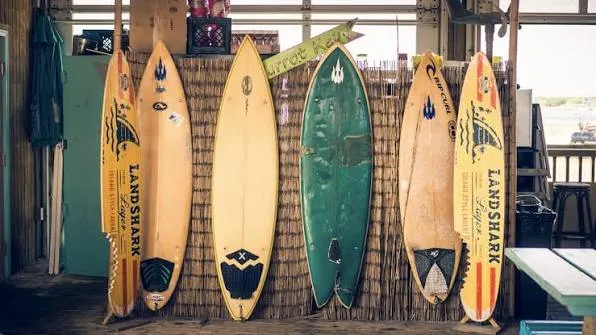
Many premium surf camps sell off their current rental fleets at the end of each tourism season to make room for new models. These liquidation sales offer an excellent opportunity for smart budget travelers.
Buying a used board directly from the camp at a steep discount can be cheaper than paying for a multi-week rental. You can then use the board for your stay and sell it back to a local shop before flying home.
Step-by-Step Equipment Cost Audit Checklist
-
Request Fully Itemized Quotes: Demand a complete cost breakdown to separate gear fees from your main instructional tuition.
-
Map Nearby Surf Retailers: Pinpoint independent alternative shops located within walking distance of your resort.
-
Review Airline Oversized Baggage Rules: Read the fine print on weight limits and board counts before booking your flights.
-
Verify Credit Card Rental Coverage: Confirm if your credit card provides built-in protection for sports gear rentals.
-
Take Pre-Rental Condition Photos: Photograph all existing dings and scratches before taking a rental board into the water.
-
Pack Personal Baseline Hardware: Bring your own small accessories like leashes, fins, and wax to avoid resort markups.
Measurement, Tracking, and Evaluation
A modern surf budget relies on tracking both leading and lagging indicators to measure spending efficiency accurately. This data-driven approach removes guesswork, allowing you to optimize your travel costs using real evidence.
Leading Procurement Indicators
Leading indicators focus on proactive steps taken to manage your equipment expenses before your trip begins:
-
Baggage Rule Audit Completion: Verifying the exact oversized luggage fees for every airline on your itinerary before buying tickets.
-
Alternative Sourcing Map Accuracy: Identifying at least two independent rental shops near your destination before arrival.
-
Pre-Arrival Price Negotiations: Securing locked, flat-rate equipment fees in writing before checking into your resort.
Lagging Financial Metrics
Lagging metrics track actual spending outcomes to measure the real-world success of your cost-control strategies:
-
Net Daily Equipment Cost: The total amount spent on gear rentals and accessories divided by your active days in the water.
-
Unexpected Surcharge Occurrences: Logging any surprise fees, damage claims, or overage charges that appear on your final invoice.
-
Logistics Variance Score: Measuring the cost difference between checking personal gear versus renting similar equipment locally.
Deconstructing Common Equipment Cost Myths
The surf travel market is full of persistent myths about equipment rentals and pricing models. Debunking these common misconceptions helps travelers make smart choices and protect their budgets.
Myth 1: All-Inclusive Surf Packages Always Offer the Best Value
Many travelers assume that booking an all-inclusive package automatically saves them money on gear rentals. In reality, these bundled deals often hide high convenience fees within the total price.
Always ask for an itemized breakdown to see exactly how much you are being charged for board access. Separating these costs often reveals that renting from a nearby shop is the more economical path.
Myth 2: Transporting Personal Surfboard Bags is Always Too Costly
A common belief is that airline baggage fees for surfboards are too expensive to make bringing your own gear worthwhile. While some airlines do charge steep oversized luggage penalties, many top carriers now treat board bags as standard checked luggage.
For trips lasting longer than a week, checking your own board bag is almost always cheaper than paying daily rental fees. Doing your research on airline policies helps you save money on longer itineraries.
Myth 3: Premium Resort Rental Fleets Always Feature Brand-New Gear
Resorts often use shiny marketing photos to suggest that their rental fleets consist exclusively of brand-new, premium boards. In reality, high guest turnover means these boards wear out quickly, leaving fleets full of sun-damaged and heavily repaired gear.
Paying a high premium does not guarantee you will receive top-tier equipment. Checking independent local shops often reveals better-maintained inventory at more competitive rates.
Myth 4: Damage Waivers are Always a Waste of Money for Beginners
Some budget-conscious travelers skip the camp’s optional damage waiver to save a few dollars on their daily rental. However, beginner surf zones are often crowded, making minor bumps and reef scratches very common.
Without basic waiver protection, a tiny scratch can result in a large repair bill at checkout. Purchasing a low-cost waiver provides peace of mind and guards against unexpected expenses.
Myth 5: You Must Rent a New Board Model to Experience Peak Progression
Equipment manufacturers use marketing hype to convince developing surfers that they need the latest board models to improve. In reality, stable wave progression relies on correct board volume and consistent technique, not brand-new shapes.
A well-maintained foam or epoxy board from a previous season will support your learning curve perfectly. Avoiding the hype around new arrivals keeps your rental costs down.
Myth 6: On-Site Resort Gear Rates are Fixed and Completely Non-Negotiable
Many travelers accept the equipment rental rates listed on a resort’s website as absolute and non-negotiable. However, surf camps operate in a seasonal market and are often willing to discount gear fees to secure a booking.
This flexibility is especially true during the shoulder seasons when guest numbers are low. Asking calmly for a long-term discount or a waived gear fee before booking can yield significant savings.
Myth 7: Buying a Brand-New Board at Your Destination is Always Cheaper Than Renting
Some travelers plan to buy a brand-new board upon arrival and sell it back before flying home to save on rental fees. While this strategy can work with used gear, buying brand-new equipment rarely makes financial sense due to instant retail depreciation.
As soon as a new board leaves the shop, its resale value drops significantly. Sticking to used gear or long-term rental bundles is a much safer way to protect your travel budget.
Strategic Synthesis and Financial Management
Minimizing equipment expenses during an intensive surf training holiday requires a disciplined, practical approach to budgeting. Travelers must look past flashy marketing materials to focus entirely on core financial metrics: itemized quotes, local shop competition, and airline baggage rules.
Prioritizing these structural cost controls protects your wallet and ensures you receive reliable gear without overpaying for convenience. Taking a data-driven approach to plan your logistics helps you select a procurement strategy that builds a safe, affordable foundation for your long-term surfing journey.