Top Surfing Camps Plans: Architectural Blueprint and Selection Matrix
The acquisition of surfing proficiency requires more than brief exposure to coastal waters. It demands an environment where variable oceanic conditions can be interpreted through a structured pedagogical framework. For decades, surf travel operated on a highly informal basis, relying on personal discovery and unstructured practice. The modern landscape, however, is increasingly defined by institutionalized programs that aim to optimize physical development and minimize logistical friction.
As the surf tourism sector matures, consumers face an overwhelming array of itinerary structures, coaching tiers, and regional operational styles. Choosing a package without an analytical framework often results in significant misalignment. A surfer may select an option that provides high-end hospitality but lacks the mechanical training required to overcome an athletic plateau. Conversely, an intense physical regimen can overwhelm a participant who required a more progressive, rest-integrated format.
This document serves as an exhaustive, analytical exploration of the structural mechanics behind elite surf training itineraries. By dissecting the underlying systems that govern wave access, instructional delivery, and risk mitigation, this guide allows travelers to look past superficial marketing promises. The focus remains strictly on the structural variables that determine the long-term athletic and practical utility of these investments.
Deconstructing Top Surfing Camps Plans
Evaluating the architecture of top surfing camps plans requires looking beyond simple accommodation metrics. A well-designed surf plan is an integrated system that balances hydrographic features, technical coaching tools, and physical recovery windows. When these variables are properly aligned, the participant experiences rapid, measurable skill development. If the system is poorly integrated, the trip can quickly degenerate into an inefficient vacation.
Multidimensional Programmatic Balancing
An effective itinerary must account for the fluid nature of the marine environment. Unlike land-based athletic facilities, a surf break changes constantly due to shifting tides, wind directions, and bathymetry.
Top surfing camps plans utilize predictive metrics to adjust their daily coaching targets in real time. This flexible operational approach ensures that participants are positioned at the optimal break when conditions favor their specific skill level.
The Limits of Standard Package Configurations
Standard travel agencies often evaluate surf packages based on surface-level amenities. These include parameters like accommodation stars, food plans, and the proximity of lodging to the nearest beach.
True operational value, however, is determined by hidden variables. The ratio of functional support craft, the variety of the surfboard fleet, and the specific qualifications of the guiding staff are what truly dictate progression.
Oversimplification Hazards in Selection
Consumers frequently fall victim to binary choices, labeling plans as either beginner or advanced. This classification ignores the complex intermediate phase where most technical plateaus occur.
A high-quality plan avoids these broad categories. It implements precise, incremental adjustments that target specific mechanical movements, such as line choice or body compression.
The Structural Evolution of Surf Tourism
The surf tourism industry has transformed from an unorganized subculture into a highly professional global market. In the post-war era, surf travel was defined by self-reliant exploration, where individuals accepted high physical risks to discover uncrowded waves. These pioneers traveled with minimal gear, lacked real-time weather data, and relied entirely on local advice to navigate complex coastal zones.
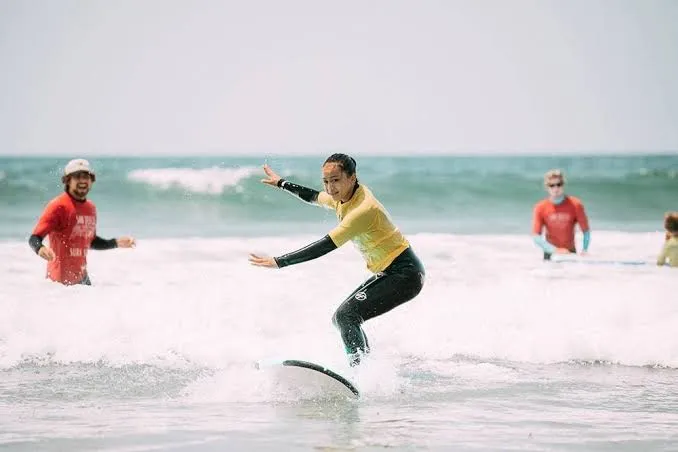
During the late twentieth century, the first permanent commercial basecamps began to appear in iconic regions like Western Europe, Central America, and Fiji. These properties provided basic housing and essential transport, removing the extreme hardships of exploratory travel. This infrastructure allowed less experienced surfers to access waves that were previously out of reach due to difficult geography.
Technical Systemization in the Modern Era
The 2000s brought rapid professionalization across the industry. National governing bodies established formal coaching certifications, replacing informal instruction with standardized safety and teaching practices.
This period also saw the rise of all-inclusive packages. Operators began combining lodging, meals, gear rentals, and lessons into simple, accessible consumer products.
The Modern Saturation and Optimization Era
Today, the widespread availability of digital swell forecasting tools and satellite internet has removed the guesswork from surf travel. While this data transparency makes planning easier, it has also caused severe crowding at famous surf breaks worldwide.
Consequently, modern top surfing camps plans must place a heavy emphasis on crowd mitigation. Operators use private boat licenses, remote land rights, and complex schedules to separate their guests from the general surfing public.
Methodological Frameworks for Selection
To properly analyze top surfing camps plans, consumers can use explicit analytical frameworks. These mental models help strip away emotional marketing language and clarify the functional compromises required by each approach.
The Wave-Energy-to-Biomechanical-Capacity Model
This framework evaluates the relationship between the physical power of a local wave break and a surfer’s actual physical durability. It maps operations into four distinct zones:
-
Accelerated Progression Zone: The program matches variable, forgiving point breaks with high-tech coaching tools to help surfers safely push their limits.
-
Stagnant Risk Zone: High wave energy combined with low physical durability increases injury risks and stalls technical growth.
-
Amenity-Driven Vacation Zone: Soft waves and minimal coaching structure prioritize comfort and relaxation over serious skill development.
-
High Performance Matrix Zone: Powerful, technical waves are paired with elite safety infrastructure for highly experienced surfers.
The Realized Water-Time Coefficient
This calculation measures the actual minutes spent riding or analyzing waves against total trip time. It helps expose hidden inefficiencies in a camp’s daily schedule:
Low coefficients point to properties with poor geographic positioning or bad transport logistics. Top-tier operators maximize this metric by using beachfront facilities or dedicated boat fleets that launch directly into the lineup.
The Instructional Density Continuum
This model organizes surf programs based on their day-to-day focus. It separates vacation-oriented properties from intensive, performance-driven training centers.
-
Low-Density/Recreational: These plans treat surfing as a fun daytime activity among other social events. Instruction is usually limited to basic group tips on the beach, with little focus on long-term skill progression.
-
High-Density/Pedagogical: These programs treat surfing as a rigorous athletic discipline. The daily schedule revolves entirely around optimal tide and wind windows, and includes video reviews and land-based biomechanical training.
Typology of Operational Variations
The global surf tourism market contains several distinct operational models. Each variation targets specific skill levels, budgets, and comfort preferences, requiring careful consideration during the selection process.
Vanguard Coaching Clinics
These programs operate like elite athletic academies rather than standard holiday resorts. They feature fixed-date, week-long training blocks focused entirely on technical development. They rely heavily on tools like high-definition video review, surf-skate simulators, and swimming pool paddle clinics.
-
Trade-offs: They deliver rapid, measurable improvements in technique and water confidence. However, the schedule can be physically exhausting, leaving minimal time for sightseeing or traditional relaxation.
Sovereign Enclave Resorts
These high-end operations control private land adjacent to premier waves or hold exclusive marine guiding licenses. They manage every part of the guest experience, providing luxury villas, private speedboats, and dedicated spot spotters.
-
Trade-offs: They offer exceptional comfort, low crowds, and highly efficient logistics, but require a large financial investment. The isolated setups can also limit exposure to local culture.
Wilderness Eco-Outposts
Located in remote regions like outer Indonesian archipelagos or isolated stretches of West Africa, these camps prioritize raw wave access and environmental sustainability. They feature solar-powered buildings, rain-harvesting systems, and direct access to uncrowded, pristine marine ecosystems.
-
Trade-offs: They provide clean, uncrowded lineups and a quiet environment free from modern distractions. However, guests must accept basic amenities, spotty internet, and long, multi-stage travel itineraries.
Communal Hybrid Hubs
Popular across major coastal destinations in Europe, Central America, and Australia, these operations combine shared budget lodging with large-scale surf schools. They feature lively social spaces, shared dining halls, and group entertainment.
-
Trade-offs: They offer an affordable way to travel and make it easy to meet other surfers. However, large group sizes often lead to generalized instruction and crowded transport vans, which can limit individual attention in the water.
Comparative Architecture Analysis
Selection Logic Framework
Selecting the right operational model requires a clear-eyed assessment of your personal goals. A surfer focused on fixing a specific technical flaw should prioritize a vanguard coaching clinic over luxury amenities.
Conversely, travelers looking for a mix of high-end comfort and focused water time will get the most value from a sovereign enclave resort. Budget-conscious solo travelers who enjoy a social environment will find communal hybrid hubs to be the most practical fit, provided they accept larger group sizes.
Scenario Analysis and Implementation Realities
Analyzing real-world scenarios helps show how different traveler profiles interact with various top surfing camps plans. These examples highlight the operational trade-offs and second-order effects of these choices.
Profile A: The Stuck Intermediate Surfer
-
Context: A 38-year-old surfer who can catch waves consistently but struggles with generating speed and completing clean turns. They have accumulated several weeks of surf travel over five years but feel their progress has stalled.
-
Constraints: They have a one-week vacation window and a moderate budget, and want a clear path to break through their current plateau.
-
The Incompatible Choice: A sovereign enclave resort located near heavy, hollow reef breaks. While the resort is high-end, the powerful, shallow waves intimidate the surfer, leaving them stuck watching from the channel.
-
The Optimal Choice: A vanguard coaching clinic that uses daily video review and surf-skate simulators on land. This structured feedback helps them identify and fix stance flaws in a safe, controlled environment.
-
Second-Order Effects: The data-driven breakdown gives the surfer a clear set of drills to practice at home, preventing them from slipping back into old habits.
Profile B: The Executive Nomad
-
Context: A 46-year-old corporate leader who wants to maximize water time during a short 6-day break. They require reliable, high-speed internet for occasional business meetings and expect comfortable, private lodging.
-
Constraints: High budget, zero tolerance for logistical delays, and a need for private, dedicated surf guiding.
-
The Incompatible Choice: A remote, off-grid wilderness eco-outpost. Unreliable solar power, spotty satellite internet, and unpredictable boat transfers create stress and disrupt their work schedule.
-
The Optimal Choice: A beachfront sovereign enclave resort with a private boat fleet, backup power generators, and high-speed fiber internet.
-
Second-Order Effects: Seamless logistics eliminate travel friction, allowing the executive to stay connected to work while maximizing their time in the water.
Profile C: The High-Stamina Novice
-
Context: A 24-year-old former competitive athlete who is physically fit, picks up movement patterns quickly, and wants to learn to surf efficiently.
-
Constraints: Limited budget, high physical endurance, and a desire to surf multiple times per day.
-
The Incompatible Choice: A high-end luxury resort where the surf schedule is limited to one short, relaxed session each morning.
-
The Optimal Choice: An intensive communal hybrid hub located near open beach breaks that offers long daily sessions and flexible equipment options.
-
Second-Order Effects: The combination of excellent physical fitness and consistent wave access allows for rapid skill growth, though it requires a focus on proper nutrition and rest to prevent early muscle fatigue.
Fiscal Architecture and Resource Dynamics
The advertised price of a surf camp package rarely represents the true total cost of the trip. Consumers must look closely at line-item costs to avoid unexpected expenses that can strain their travel budget.
Equipment Liability and Insurance Policies
Many surf packages include surfboard rentals but exclude structural damage insurance. If a guest snaps a board on a rock or damages a fin box on a shallow reef, they can face replacement fees ranging from $500 to $900.
Fuel Surcharges and Transport Logistics
Camps that rely on boat transport often hide their fuel costs in the fine print. Base packages might cover only one short boat trip per day to a specific nearby break.
If the group wants to travel further to find better wind or smaller crowds, the camp may charge extra fuel fees. These surcharges can add up quickly, adding hundreds of dollars to the final bill by the end of the week.
Real-World Cost Architecture Matrix
The Hidden Time Cost of Distance
Choosing cheaper lodging located far from the coast often introduces a significant hidden time cost. Saving money on accommodations can mean spending two to three hours every day riding in crowded vans to reach the waves.
This commute eats into valuable resting time between surf sessions. Travelers should weigh these daily travel times against the higher price of beachfront accommodations.
Technical Tools and Support Frameworks
The training tools used by a surf program directly impact how fast guests improve. Top-tier operations use modern athletic technology to help surfers analyze their movements and build consistent muscle memory.
Precision Videography and Frame Analysis
Video review is one of the most effective tools for correcting surf technique. Most surfers have a poor sense of their actual body positioning while riding a wave. They may feel like they are performing a deep bottom turn when they are actually standing upright.
Advanced camps position videographers on the shore or in boats to record every wave a guest catches. During evening review sessions, coaches use specialized software to analyze these recordings frame-by-frame. This visual feedback helps guests understand exactly where their stance, timing, or arm movements need adjustment.
Land-Based Surf Simulators
Surf-skate boards allow guests to practice repetitive movements on land. On a real wave, a surfer might get only a few seconds of actual riding time per session. This brevity makes it difficult to build new muscle memory.
On a smooth concrete surface or specialized pump track, coaches can guide guests through dozens of continuous turns. This training helps surfers master core movements, like rotating their shoulders and compressing their knees, in a controlled environment.
Real-Time Radio Coaching
Some top-tier programs use waterproof two-way radio helmets to coach guests in real time. Instead of waiting until they return to shore to get feedback, surfers receive immediate adjustments while paddling or riding a wave.
This instant coaching helps surfers correct their positioning in the lineup, improve their paddle angles, and adjust their stance mid-wave. This immediate feedback loop speeds up the learning process significantly.
Risk Typology and Mitigation Systems
Surfing involves inherent risks, including strong ocean currents, marine life encounters, sharp reefs, and collisions with heavy surfboards. A surf camp’s safety infrastructure is just as important as its coaching quality.
Coach Certifications and Supervision Ratios
Consumers should check if a camp’s instructors hold valid certifications from recognized organizations. These include the International Surfing Association (ISA) or national lifesaving bodies.
These certifications ensure coaches are trained in open-water rescue and basic life support. Furthermore, camps should maintain strict instructor-to-student ratios to ensure proper supervision in changing ocean conditions.
Medical Evacuation Infrastructure
For camps located in remote areas, a detailed medical emergency plan is essential. Guests should ask camps specific questions before booking:
-
What emergency trauma gear is kept on the surf boats and in the beach vehicles?
-
How long does it take to reach the nearest hospital with a trauma center or decompression chamber?
-
Does the camp maintain satellite communication tools in areas without cellular service?
Gear Integrity and Board Design
For beginner groups, camps should use soft-top surfboards fitted with flexible rubber fins. These boards significantly reduce the risk of cuts and bruises during wipeouts.
Advanced camps should inspect their leash strings and fin boxes regularly. Equipment failure in large surf can quickly turn a routine session into a dangerous situation.
Lifecycle Maintenance and Iterative Adaptation
Top surfing camps plans operate with a long-term focus on environmental sustainability and community relations. Surf tourism can place significant strain on local communities if it is not managed responsibly.
Environmental Sustainability Metrics
High-quality camps implement clear waste-management and water-conservation programs. Surf camps are often located in rural coastal areas with fragile ecosystems and limited fresh water.
Responsible operators use rainwater collection, solar power arrays, and advanced filtration systems to minimize their environmental footprint. They also work to eliminate single-use plastics across their entire operation.
Community Integration and Local Support
A camp’s relationship with local residents is a good indicator of its overall quality. Irresponsible operations often exploit local resources while returning little economic value to the community.
Leading camps hire local guides, pay fair wages, and invest in regional infrastructure, such as schools and medical clinics. This approach builds mutual respect and ensures a welcoming atmosphere for guests in the local lineup.
Step-by-Step Selection Assessment Checklist
-
Verify Instructor Certifications: Confirm that all coaching staff hold valid ISA or equivalent lifesaving credentials.
-
Review Emergency Equipment: Ensure that every transport vehicle and boat carries a comprehensive first aid kit and oxygen tank.
-
Analyze Medical Evacuation Protocols: Check the camp’s written plans for emergency transport from remote surf breaks to regional hospitals.
-
Audit Total Pricing Terms: Check for hidden fees, such as boat fuel surcharges, marine park taxes, or board repair liabilities.
-
Inspect Surfboard Inventory: Confirm the rental fleet includes a wide variety of board shapes and volumes to match changing wave sizes.
-
Evaluate Sustainability Practices: Check if the property utilizes renewable energy, monitors waste water, and employs local staff at fair wages.
Measurement, Tracking, and Progression Evaluation
A premium surf program should provide structured ways to track a guest’s improvement over time. Without clear milestones, a surf trip can easily turn into a casual vacation without any real skill development.
Quantitative Metrics
To measure progress accurately, coaches look at specific numbers during a week-long stay:
-
Wave Capture Efficiency: The percentage of waves paddled for that the guest successfully catches.
-
Pop-Up Transition Time: The time it takes from the moment the board matches the wave’s speed to when the rider stands up.
-
Takeoff Position Accuracy: How well the surfer stays in the peak takeoff zone without drifting out of position.
Qualitative Milestones
Qualitative tracking focuses on the mechanics of a surfer’s style and their decision-making in the water:
-
Line of Sight: Checking if the surfer looks down at their board or down the line toward the open wave face.
-
Functional Compression: Evaluating how well the surfer bends their knees to absorb bounce and maintain speed through turns.
-
Lineup Etiquette Awareness: Assessing how safely the surfer navigates busy lineups and respects standard right-of-way rules.
Analytical Debunking of Industry Dogma
The surf travel market is full of persistent myths that can mislead travelers. Debunking these common misconceptions helps consumers set realistic expectations for their trip.
Myth 1: Higher Package Pricing Guarantees Better Coaching
Many travelers assume that ultra-expensive resorts automatically offer the best instruction available. In reality, high-end pricing usually reflects luxury accommodations, fine dining, and secluded locations. The actual surf coaching at a luxury resort may be very casual.
Conversely, a mid-priced, dedicated technique clinic might offer far superior coaching tools, better video analysis, and highly certified instructors.
Myth 2: Tropical Reef Breaks are Ideal for Beginners
The travel industry loves to feature images of beginners riding warm, crystal-clear tropical waves. However, many of these waves break over sharp, shallow coral reefs that pose real safety risks. A simple fall can result in painful coral cuts or sea urchin punctures.
For absolute beginners, cooler-water beach breaks with soft sand bottoms are often much safer and more forgiving places to learn.
Myth 3: A One-Week Stay Will Make You an Advanced Surfer
Surf camp advertisements often promise to transform absolute beginners into confident surfers in just seven days. This is highly unrealistic given the steep learning curve of the sport.
A one-week camp can teach you proper paddle mechanics, basic safety rules, and the mechanics of a clean pop-up. However, mastering wave selection, timing, and complex turns takes months or years of consistent practice.
Myth 4: Group Sizes in the Water Do Not Impact Progression
Some lower-cost camps save money by sending large groups of eight to ten students out with a single instructor. These crowded classes make it difficult for students to get personalized feedback or stay safe.
A high instructor-to-student ratio ensures that your coach can watch every wave you catch, point out technical mistakes immediately, and help you navigate the lineup safely.
Myth 5: You Must Travel to Remote Islands for High-Quality Waves
Many surfers believe they need to fly to isolated islands in the middle of the ocean to find high-quality waves. While remote destinations offer incredible setups, they also come with difficult travel logistics and limited medical care.
Many world-class surf regions sit right along accessible coastlines in countries like Portugal, Spain, Morocco, and parts of Central America. These destinations offer exceptional waves alongside modern infrastructure and easy travel options.
Myth 6: Any Experienced Surfer Can Coach Effectively
Many camps hire local or international surfers based solely on their riding ability. However, being an elite surfer does not automatically make someone a good teacher.
Effective coaching requires patience, communication skills, and an understanding of biomechanics. It takes a structured approach to break down complex movements for a frustrated student, which is why formal instructor certifications matter so much.
Myth 7: You Should Always Purchase Gear Before Your Trip
Beginners often rush out to buy a shiny new surfboard before heading to a camp. This frequently leads to purchasing a board that is too small, thin, or advanced for their current skill level, which slows down their progress.
The smartest approach is to use the camp’s rental fleet. This allows you to test different board shapes and volumes under the guidance of your coaches, helping you find the right fit before investing in your own equipment.
Ethical and Local Community Dynamics
The expansion of global surf tourism has brought significant economic changes to remote coastal communities. When managed responsibly, surf camps provide steady employment, fund local infrastructure, and support regional environmental protection efforts.
However, unplanned commercial development can place severe strain on local ecosystems, drive up living costs for residents, and lead to cultural friction in the water.
Preserving Lineup Harmony and Etiquette
As popular surf destinations become more crowded, maintaining safety and respect in the water becomes a major challenge. Responsible surf camps teach their guests proper lineup etiquette before they enter the water.
This instruction includes understanding right-of-way rules, avoiding paddling through the path of another surfer, and respecting local riders. By managing their groups carefully, camps prevent overcrowding and maintain a welcoming atmosphere at local breaks.
Conclusion: A Framework for Deliberate Selection
Selecting the right surf training plan requires matching a program’s operational strengths with your personal athletic goals and physical limits. Travelers should look past flashy social media marketing and focus on core metrics: wave access, coaching quality, safety records, and logistical efficiency.
Whether you are an intermediate surfer trying to break through a performance plateau or a professional looking for a seamless coastal escape, prioritizing these fundamentals ensures a successful trip. By using a structured approach to evaluate each option, you can choose a plan that protects your financial investment and helps you improve your skills in the water.