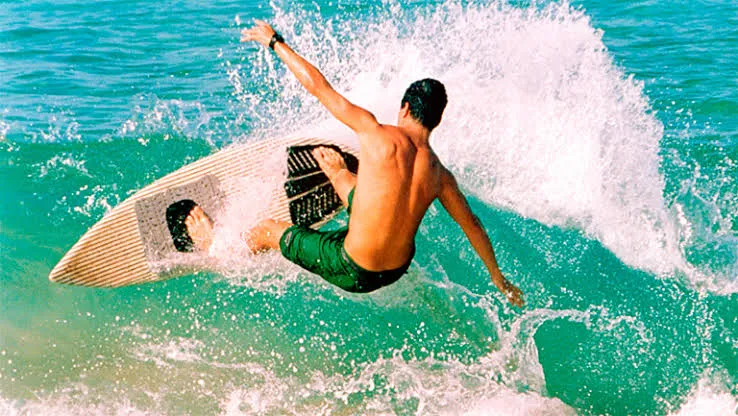
Guide to the Best Surfing Camps in the US: Top Surf Travel Analysis
Best Surfing Camps in the us. The landscape of surf instruction within the United States has evolved from informal, beach-side lessons into highly structured, multi-day educational frameworks. Historically, learning to surf in domestic waters was an experiential pursuit defined by trial, error, and localized mentorship. Modern coastal tourism has institutionalized this process, giving rise to specialized camps that combine intensive physical training, oceanographic literacy, and hospitality. These entities operate across vastly different marine environments, ranging from the cold, raw swell corridors of the Pacific Northwest to the predictable sandbars of the mid-Atlantic and the pristine reefs of the Hawaiian archipelago.
Evaluating these operations requires looking past consumer marketing to examine the structural mechanics of their instructional programs. A premier surf academy does not simply provide a surfboard and access to a beach; it manages a complex system of risk mitigation, physiological development, and environmental adaptation. The interaction between regional swell cycles, local bathymetry—the underlying topography of the seafloor—and coaching staff expertise creates distinct differences in how effectively these camps transfer skills to students. Consequently, identifying high-performing programs requires an analytical framework that measures how well an institution can adapt its methods to both changing ocean conditions and diverse student needs.
Furthermore, domestic surf travel involves complex regulatory, environmental, and logistical realities that do not apply to international operations. Public beach access rights, state park commercial permitting, and strict liability frameworks shape how these institutions operate on a daily basis. For the consumer, choosing a program involves balancing personal athletic goals against the physical reality of regional coastlines. A comprehensive assessment of domestic surf training facilities must systematically break down these variables, offering a clear, data-driven analysis for surfers seeking true skill development within US waters.
Understanding “best surfing camps in the us”
The phrase best surfing camps in the us is frequently oversimplified within consumer travel media. Standard travel guides typically evaluate these institutions using shallow metrics like accommodation luxury, proximity to commercial boardwalks, or the superficial charisma of the instructors. This narrow focus fails to consider the core purpose of a training camp: the systematic transfer of complex motor skills and oceanographic safety awareness within a dynamic, potentially hazardous marine environment. To evaluate these operations accurately, you must look beyond luxury amenities and analyze their underlying educational structures, safety standards, and environmental resilience.
The Fallacy of Uniform Instruction
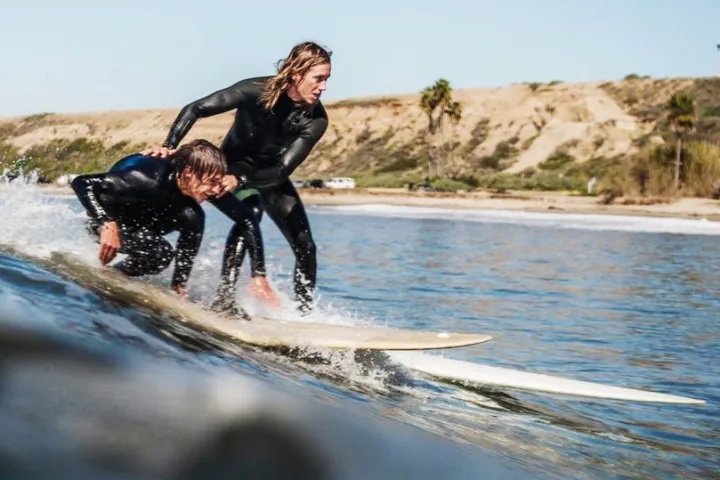
A common error in evaluating these camps is assuming that an elite surfer automatically makes an effective educator. Surf instruction requires a distinct pedagogical framework that can break down complex biomechanical movements, such as the popup phase or weight distribution during a bottom turn, into clear, repeatable steps. High-performing camps invest heavily in formal training for their staff, ensuring they hold certifications from recognized bodies like the International Surfing Association (ISA) alongside advanced wilderness medical qualifications.
The Swell Window Vulnerability
Another critical oversight is ignoring how vulnerable a camp’s location is to seasonal weather shifts. A camp that relies entirely on a single public beach can become unusable if an unfavorable wind direction develops or a massive, low-period swell makes the local break unsafe. Therefore, the best surfing camps in the us are defined by their operational flexibility. They secure commercial permits for multiple, distinct coastlines facing different directions, allowing them to safely guide students to clean, manageable waves regardless of daily weather variations.
Deep Contextual Background of Domestic Surf Education
The structured surf camp model in the United States emerged from a convergence of coastal lifestyle shifts and changing economic landscapes along the nation’s edges. During the 1960s and 1970s, surf instruction was entirely informal, passed down through localized peer networks and beach clubs centered around historic hubs like Malibu, San Onofre, and Waikiki. These informal arrangements lacked standardization, leaving students exposed to inconsistent safety practices and slow skill development.
The 1980s saw the initial commercialization of surf schools, driven by the invention of durable, soft-foam surfboards that significantly lowered injury risks for beginners. These day-camp models initially served coastal municipalities, providing summer activities for local youth. However, as surf travel grew in popularity through the 1990s and 2000s, operators recognized a growing demand for immersive, multi-day adult training programs. This realization shifted the industry toward destination-based academies that integrated accommodation, technical coaching, and physical recovery.
Today, the domestic surf camp sector faces a highly competitive environment shaped by strict regulatory standards and advanced technology. Operating a high-caliber camp now requires navigating complex insurance mandates, securing hard-to-obtain state and federal land permits, and utilizing advanced digital tools. Modern operations use real-time satellite swell forecasting, high-definition video review systems, and specialized dry-land skate trainers to accelerate learning. This evolution has raised the barrier to entry, separating casual, single-location schools from elite training institutions capable of delivering structured skill progression.
Conceptual Frameworks and Analytical Selection Models
To systematically evaluate or select an elite surf academy, consumers and analysts can use structured mental models that look past marketing claims to focus on operational capabilities.
The Hydrodynamic Matching Matrix
This model evaluates how effectively a camp matches a student’s physical metrics and skill level with the appropriate equipment and wave types. High-performance instruction avoids generic, one-size-fits-all gear. Instead, it relies on custom volume calculations to ensure that a student’s physical weight, paddle stamina, and technical ability align precisely with the board’s dimensions and the energy profile of the local break.
An incorrect match in any of these areas can severely hinder progress. For example, placing a fatigued beginner on a low-volume board in fast, hollow waves leads to missed waves and physical exhaustion, highlighting the importance of a coordinated gear and location system.
The Pedagogical Cycle Model
This framework measures the instructional loop used by a camp to correct technique and build muscle memory. It breaks down into four essential phases that must be repeated continuously throughout the training program:
-
Phase 1: Real-Time Field Execution: The student paddles out and attempts to ride waves while instructors observe.
-
Phase 2: Video Analysis Review: Instructors use high-frame-rate video to review the session, breaking down specific body angles and timing errors frame-by-frame.
-
Phase 3: Cognitive Error Identification: The instructor isolates the exact movement flaw, such as improper chest placement or rigid knee extensions.
-
Phase 4: Targeted Muscle-Memory Drill: The student practices corrective movements using specialized land-based equipment, like surf-skates or balance boards, before heading back into the water.
Camps that omit the video review or land-based training phases often struggle to help students overcome engrained, incorrect habits, which limits the overall value of the program.
The Environmental Adaptability Score
This framework measures a camp’s operational flexibility by evaluating its access to diverse training environments. A top-tier camp should hold active commercial permits for multiple distinct coastlines, ensuring they can adapt to changing ocean conditions.
By maintaining access to alternative locations, such as sheltered bays during heavy swells or exposed beaches during small waves, the camp ensures that students can train safely and consistently in clean conditions, regardless of daily weather shifts.
Regional Categorization, Oceanographic Dynamics, and Structural Trade-offs
The geographic diversity of the United States creates highly varied training environments, each offering distinct advantages and challenges for developing surfers.
Southern California Academies
Located in historic hubs like San Diego, Orange County, and Malibu, these camps benefit from highly consistent, long-period groundswells generated in the South Pacific and North Pacific. The waves typically break over predictable, gently sloping sandbars or cobblestone points, creating ideal conditions for stepping up from soft-tops to fiberglass boards.

However, the trade-off is significant: these regions feature some of the most crowded lineups in the world. Students must learn to navigate intense social dynamics and strict right-of-way rules early in their training, which can add psychological stress to the learning process.
Central and Northern California Centers
Operating along rugged coastlines like Santa Cruz or Marin County, these facilities provide access to powerful, high-energy waves breaking over deep rock reefs and raw sand peaks. The instruction here naturally emphasizes ocean safety, thick wetsuit management (typically 4/3mm neoprene), and reading complex current patterns.
The primary trade-off is the demanding physical environment. Cold water, strong currents, and heavy surf conditions require a high baseline of physical fitness and ocean confidence, making these camps less suitable for casual or unconditioned beginners.
Hawaiian Archipelago Hubs
Centered on Oahu’s South Shore or western Maui, these programs offer warm water and highly predictable reef breaks that provide long, clean wave faces perfect for practicing turns.
The structural challenge stems from the underlying volcanic reef itself. Falling in shallow water can result in painful coral scrapes or equipment damage, requiring instructors to teach specialized falling techniques and careful tide-reading strategies.
Mid-Atlantic and East Coast Programs
Stretching from the Outer Banks of North Carolina up to Rhode Island, these camps feature accessible sandbars and a welcoming, less intimidating lineup environment.
The primary trade-off here is swell reliability. Summer months often bring long periods of flat water or small wind waves, while the autumn season can bring heavy, chaotic surf driven by offshore hurricane systems, making consistent trip planning more difficult.
Detailed Real-World Scenarios and Operational Failure Modes
Scenario 1: The Summer Flat-Spell Logistical Pivot
A high-end surf academy located on the East Coast welcomes a group of intermediate students for a week-long performance camp. On the second day, a large high-pressure system settles over the region, cutting off all swell and turning the ocean completely flat for the rest of the week.
-
Constraint: The ocean lacks enough wave energy to push a standard surfboard, and students expect daily skill progression.
-
Decision Point: The head coach must decide whether to continue paddling out in unusable conditions or pivot to an intensive, land-based training curriculum.
-
Failure Mode: Forcing students into flat water causes frustration and physical exhaustion without teaching new skills, resulting in poor reviews and unfulfilled training goals.
-
Second-Order Effects: The academy loses credibility as an elite educational institution, while students miss out on critical technique adjustments that could have been practiced on land using specialized equipment.
Scenario 2: The High-Velocity Rip Current Displacement
During a session at a Northern California beach break, a sudden shift in the tide causes a deep rip current to open directly next to the student lineup, quickly pulling a group of beginner surfers toward the open ocean.
-
Constraint: The water temperature is 52°F, reducing muscle efficiency over time, and several students begin to panic as they drift away from the beach.
-
Decision Point: The accompanying water instructors must decide whether to paddle after each student individually or use a coordinated safety formation to guide the group out of the current together.
-
Failure Mode: If instructors panic and break formation, they risk becoming separated from students in the fog, leaving vulnerable swimmers isolated in cold water.
-
Second-Order Effects: Emergency services must be called for an ocean rescue, which can lead to local authorities reviewing or suspending the camp’s commercial operating permits due to safety protocol failures.
Scenario 3: The Crowded Lineup Conflict
An academy operating in Southern California takes a class of intermediate longboarders to a famous, highly competitive point break during a clean southwest swell. A student accidentally drops in on a local surfer, leading to an aggressive confrontation in the water.
-
Constraint: The lineup is packed with experienced surfers, and the camp must protect its students while maintaining good relationships with the local surfing community.
-
Decision Point: The instructor must decide whether to defend the student’s positioning or immediately remove the group from the break to defuse the tension.
-
Failure Mode: Ignoring the confrontation or arguing back can escalate the situation, putting students at risk of physical injury or intentional collisions in the water.
-
Second-Order Effects: The camp’s reputation within the local community suffers, which can lead to ongoing friction in the lineup, uncooperative behavior from other surfers, and long-term operating difficulties at that location.
Planning, Cost Architecture, and Resource Dynamics
The financial commitment required for a premier domestic surf camp varies significantly based on the region’s cost of living, permitting fees, and the level of coaching provided.
High-end programs often reflect the premium cost of securing commercial permits for restricted state beaches and maintaining low instructor-to-student ratios.
When evaluating the overall investment, travelers must look past the base tuition to consider hidden indirect expenses. For instance, traveling to cold-water camps requires high-quality, flexible wetsuits, hoods, and booties, which can add hundreds of dollars to your gear budget if not provided by the camp.
Additionally, airlines frequently charge steep, non-refundable oversized baggage fees for flying surfboards within the US, making the camp’s internal high-performance rental fleet an attractive and cost-effective alternative for many surfers.
Technical Strategies, Video Analysis Systems, and Pedagogical Support
Elite training facilities stand out by using advanced technology and structured coaching methods designed to accelerate a surfer’s development.
High-Frame-Rate Video Analysis
Standard video is often too blurry to isolate subtle movement errors. Top academies use cameras that shoot at 60 or 120 frames per second, paired with high-power telephoto lenses, to capture every detail of a ride.
Using specialized software, coaches can overlay a student’s posture next to a professional surfer, analyzing critical metrics like the angle of the hips during a turn or front-foot placement along the stringer line.
Surf-Skate Hybrid Training
To help students build muscle memory without waiting for waves, camps use specialized skateboards with highly articulated front truck systems, such as Carver or SmoothStar. These surf-skates mimic the carving feel of a surfboard on water.
This setup allows students to practice complex body mechanics—like leading with the shoulders during a top turn or compressing the knees through a flat section—repeatedly on smooth concrete, reinforcing correct habits before heading back into the surf.
Real-Time In-Water Communication
Some advanced programs use specialized helmets equipped with waterproof, short-range Bluetooth communication systems.
This technology allows coaches on the beach or riding a personal watercraft to give immediate feedback while the student is on the wave, correcting arm positioning or stance adjustments in real time during the ride.
Micro-Forecasting Education
A high-quality training program should teach students how to read the ocean independently. Top camps include daily workshops focused on analyzing complex weather data, such as:
-
Deep-ocean buoy readings,
-
Bathymetric layout variations,
-
Swell period calculations, and
-
Local wind vector interactions.
Learning how these factors shape breaking waves helps students transition from simply following an instructor to confidently selecting and navigating lineups on their own.
Risk Landscape and Compounding Environmental Vulnerabilities
The safety dynamics of domestic surf training are deeply tied to changing ocean ecosystems and weather conditions. A simple error, like ignoring a subtle shift in the wind or misjudging a changing tide, can quickly lead to more dangerous situations in the water. For example, a student who forgets to check the tide chart might paddle out at a reef break just as the water level drops dangerously low.
As the water thins over the reef, the surfboard’s fins can strike the bottom during a drop, causing a sudden fall directly onto sharp rock or living coral.
This matrix highlights that safety protocols are completely interconnected. Omitting a basic gear check or misreading a localized weather shift can compromise the entire system, turning a routine training session into a serious emergency.
Governance, Environmental Compliance, and Regulatory Adaptation
Operating a professional surf camp in the United States requires navigating a strict system of local, state, and federal regulations. Unlike international destinations with fewer restrictions, domestic operators must comply with clear environmental protections and public land use rules.
State parks and coastal commissions enforce strict limits on commercial operations to prevent overcrowding and protect fragile coastal ecosystems. High-quality camps invest significant resources into maintaining these permits, ensuring their operations remain fully legal and sustainable over the long term.
Pre-Session Operational Safety Checklist
Technical Equipment Systems
-
Verify that every soft-top and epoxy board is completely free of structural delamination or sharp fiberglass edges.
-
Confirm that all leash cords are free from small cuts and that the velcro ankle cuffs fasten securely.
-
Inspect all fins to ensure they are bolted tightly into their boxes and show no structural cracking.
-
Check that your short-range radio helmets are fully charged and operating on the correct channel frequencies.
Environmental and Site Assessment
-
Review current regional buoy data to verify the swell’s height, primary direction, and underlying period.
-
Read the local wind anemometer charts to anticipate incoming weather fronts or unexpected shifts in direction.
-
Identify active rip currents and exposed rock hazards near the training zone before letting students enter the water.
-
Confirm that the planned training window aligns safely with local low- and high-tide changes.
Regulatory and First-Aid Readiness
-
Check that your state park commercial access permit is printed out and readily available for inspection by local rangers.
-
Verify that the field medical kit is fully stocked with fresh marine antiseptic solutions, tourniquets, and emergency thermal blankets.
-
Confirm that all participating instructors hold valid, up-to-date CPR, open-water lifeguard, and first-aid certifications.
Measurement, Tracking, and Evaluation of Surfer Progression
Top-tier surf camps reject vague compliments in favor of objective, structured performance metrics. By tracking specific, observable movements and skills, instructors can chart a student’s actual growth over time.
Common Misconceptions and Oversimplifications
Myth 1: The most famous surf breaks always offer the best training environments
This is a widespread travel misconception. Famous breaks like Lower Trestles or Pipeline are highly competitive and break over challenging, unforgiving seafloors. For developing surfers, quieter, less crowded beaches with gentle sandbars provide a far more productive environment for catching waves and practicing technique without unnecessary stress.
Myth 2: Warm-water camps are inherently superior to cold-water alternatives
While warm water offers obvious comfort, cold-water training centers in regions like the Pacific Northwest or New England provide distinct advantages. These facilities naturally place a strong emphasis on ocean safety, precise wetsuit fit, and understanding complex weather patterns. This rigorous approach often produces highly resilient, self-sufficient surfers who excel in a wide variety of conditions.
Myth 3: A lower instructor-to-student ratio automatically ensures high-quality coaching
A low ratio is helpful, but its value depends entirely on the quality of the curriculum. A 1:1 session with an untrained instructor often amounts to little more than being pushed into waves without learning proper technique. True skill development requires a structured educational program that uses tools like video analysis and targeted dry-land drills.
Myth 4: Soft-top surfboards are strictly for beginners and hold back intermediate surfers
Modern, high-performance soft-tops feature stiff internal composite stringers and refined rail shapes, making them excellent tools for intermediate surfers. These boards provide the safety and extra buoyancy needed to practice challenging turns or explore shallow lineups without the risk of damaging a delicate fiberglass board.
Myth 5: You must travel internationally to find elite, world-class surf coaching
The United States hosts some of the most advanced surf training academies in the world. Domestic camps benefit from highly certified coaching staffs, strict safety regulations, and access to cutting-edge training technologies like video review and surf-skate simulators, matching or exceeding the educational quality found abroad.
Myth 6: Summer is always the best season to attend a surf camp in the US
Summer brings warm weather and comfortable water, but it can also bring small, inconsistent wind waves or flat spells along the East and West Coasts. For intermediate and advanced surfers, the autumn and spring seasons often provide far more consistent groundswells and cleaner wind conditions for focused training.
Ethical, Practical, and Contextual Considerations
Choosing a domestic surf camp involves looking at how these operations impact local beach communities and coastal ecosystems. High-traffic surf schools can crowd public lineups, creating tension with local residents who surf those breaks regularly. Top-tier camps manage this dynamic carefully by teaching students proper lineup etiquette, respecting right-of-way rules, and choosing less crowded peaks to minimize their impact on the local community.
Environmental responsibility is equally critical. Elite camps lead by example, reducing their environmental footprint by enforcing plastic-free rules, using bio-based surf waxes, and requiring reef-safe mineral sunscreens. By partnering with local conservation groups and participating in beach cleanups, these institutions help protect the healthy marine ecosystems that support coastal tourism, ensuring these wild spaces remain vibrant for future generations.
Conclusion
Selecting a domestic surf training program requires moving past superficial travel amenities to evaluate the core educational and safety systems of the institution. The best surfing camps in the us are defined by their ability to provide structured, technically sound coaching across varied and changing ocean environments. By choosing schools that use advanced tools like high-speed video review, specialized land-based training, and proactive safety management, surfers can ensure meaningful, long-term skill development. Ultimately, investing in a high-quality, legally compliant academy transforms your time in the water, turning casual beach sessions into a clear pathway toward true ocean independence and athletic progression.